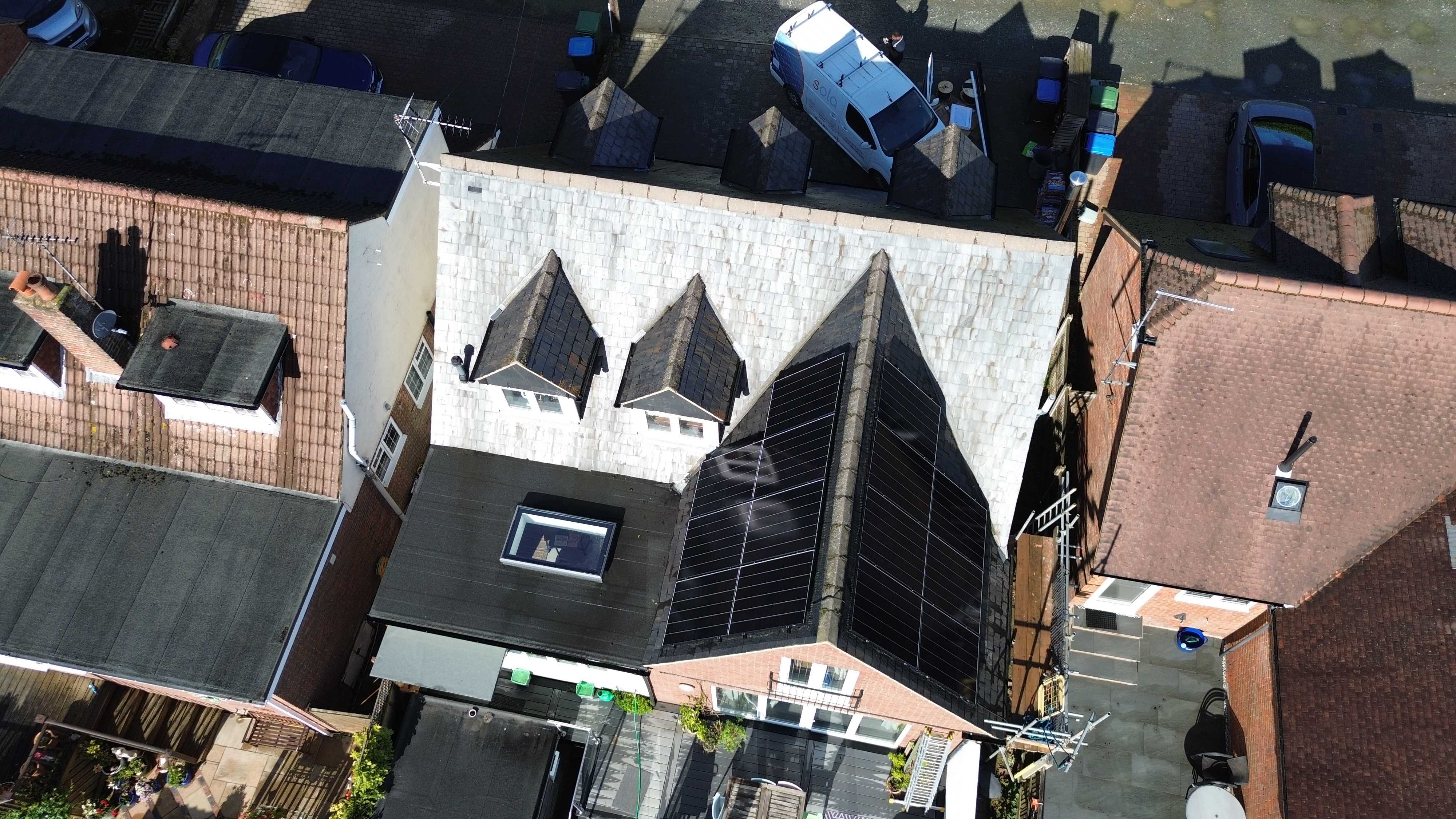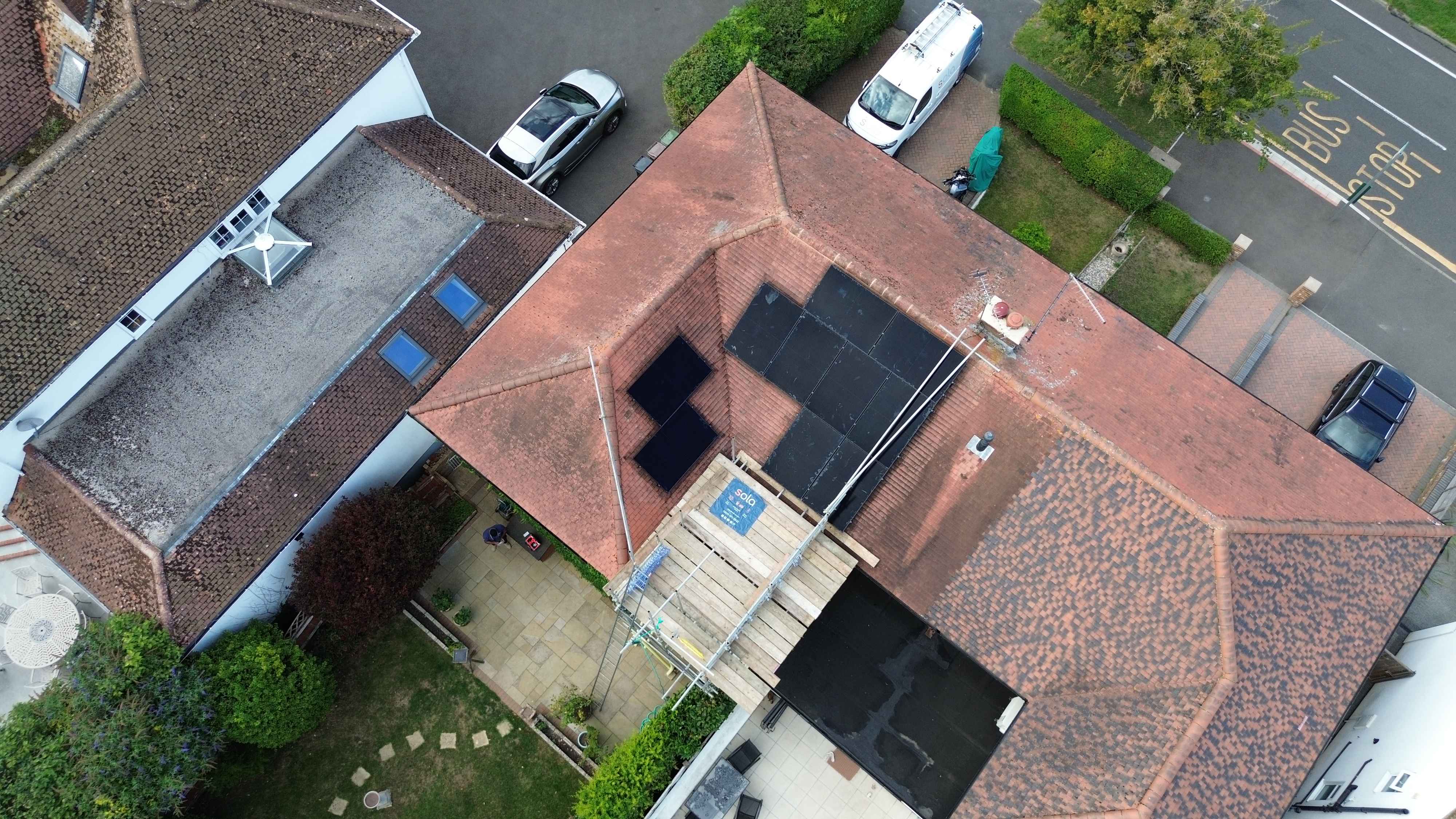
Combined-Trade Renewable Installers: Why It Matters in Hertfordshire
The combined-trade installer model — solar, battery, EV and heat pump under one roof — is becoming dominant in 2026. Here's why it matters.
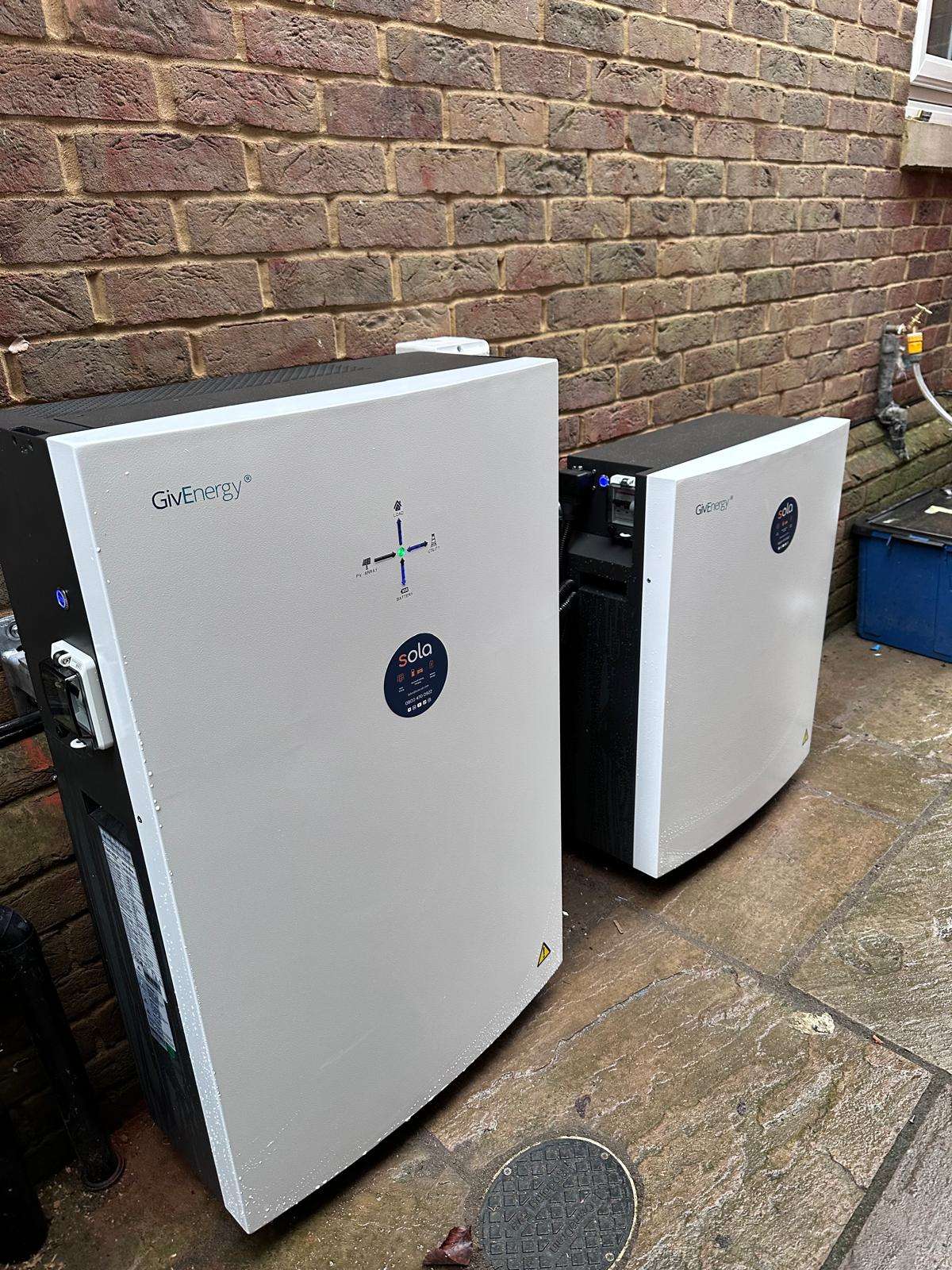
Combined-Trade Renewable Installers: Why It Matters in Hertfordshire
The "combined-trade" installer model — delivering solar, battery storage, EV chargers and heat pumps under one roof — has become the dominant pattern for whole-home renewables in 2026. For Hertfordshire homeowners, the choice between combined-trade and single-trade installers materially affects installation quality, coordination and cost.
Why Combined-Trade Matters
Modern home renewable systems require multiple specialised competencies:
- Solar PV design (MCS certification)
- DC/AC electrical work
- Battery integration
- DNO notification
- Smart inverter configuration
- EV charger installation
- Consumer unit upgrades
- Earthing and bonding
A pure-play solar installer typically subcontracts the electrical work. A pure-play electrician typically subcontracts the MCS certification. Both arrangements introduce coordination friction.
Practical Advantages
For Hertfordshire homeowners considering full-home renewables:
1. Single point of accountability — one company responsible for the full system
2. Coordinated install scheduling — all trades aligned in one project plan
3. Integrated commissioning — system-wide testing rather than disaggregated
4. Single warranty — covering full installation
5. Lower total project cost — typically 5-10% below disaggregated quotes
6. Better long-term support — single number for any issue
Hertfordshire Pricing
| Product | Combined-Trade | Disaggregated |
| 5kW solar + 10kWh battery | £14,000-£16,500 | £15,500-£18,000 |
| 5kW solar + battery + EV charger | £15,500-£18,000 | £17,500-£20,500 |
| Full retrofit (solar + battery + EV + ASHP) | £24,000-£32,000 | £28,000-£36,000 |
The combined-trade premium versus disaggregated runs around 8-15% depending on project scope.
What to Verify
Before signing any combined-trade contract:
- MCS certification for solar and any heat pump work
- NICEIC or NAPIT electrical accreditation
- OZEV authorisation for EV charger grants
- HIES or RECC consumer code membership
- Public liability insurance £5m+
- Insurance-backed workmanship warranty
Common Pitfalls
Be wary of installers who claim combined-trade capability but visibly subcontract major elements. Signs of subcontracting:
- Different vans on different days
- Different uniforms across the project
- No single project manager
- Multiple separate invoices
- Disjointed commissioning
Genuine combined-trade installers operate with consistent in-house teams across the full project.
Practical Next Steps
For Hertfordshire homeowners considering integrated solar-battery-EV systems, the combined-trade model produces better outcomes than disaggregated quotes. Get in touch for a free integrated system assessment.