Do Highgate and Muswell Hill Have an Article 4 Direction for Solar?
Neither does. Haringey has 28 conservation areas and only four carry an Article 4 direction — which means permitted development still applies in two of the areas people most expect to be locked down.
Do Highgate and Muswell Hill Have an Article 4 Direction for Solar?
Neither of them does. Both are Haringey conservation areas, and neither carries an Article 4 direction. That matters because it is the opposite of what most homeowners in those two areas assume, and the assumption costs people a solar installation they could have had.
The actual Haringey position
Haringey has 28 conservation areas. Exactly four of them carry an Article 4 direction:
- Noel Park
- Peabody Cottages
- Rookfield
- Tower Gardens
Highgate and Muswell Hill are not among them. Both have character appraisals — Muswell Hill has one, Highgate has a two-part appraisal — but an appraisal is a description of what makes an area special, not a removal of permitted development rights.
The borough's other two directions concern changes of use rather than building works: one covering the conversion of a dwellinghouse into a house in multiple occupation across most of the east of the borough, and one covering warehouse-to-residential conversion in designated employment areas. Neither touches a roof array.
So what does govern a roof in Highgate or Muswell Hill?
National permitted development, as amended on 27 August 2026. The provision that applies is paragraph A.1(2)(e) of Part 14, Class A: where the land is in a conservation area or a World Heritage Site, development is not permitted where the equipment would be installed on a wall, a balcony or a roof enclosure that fronts a highway.
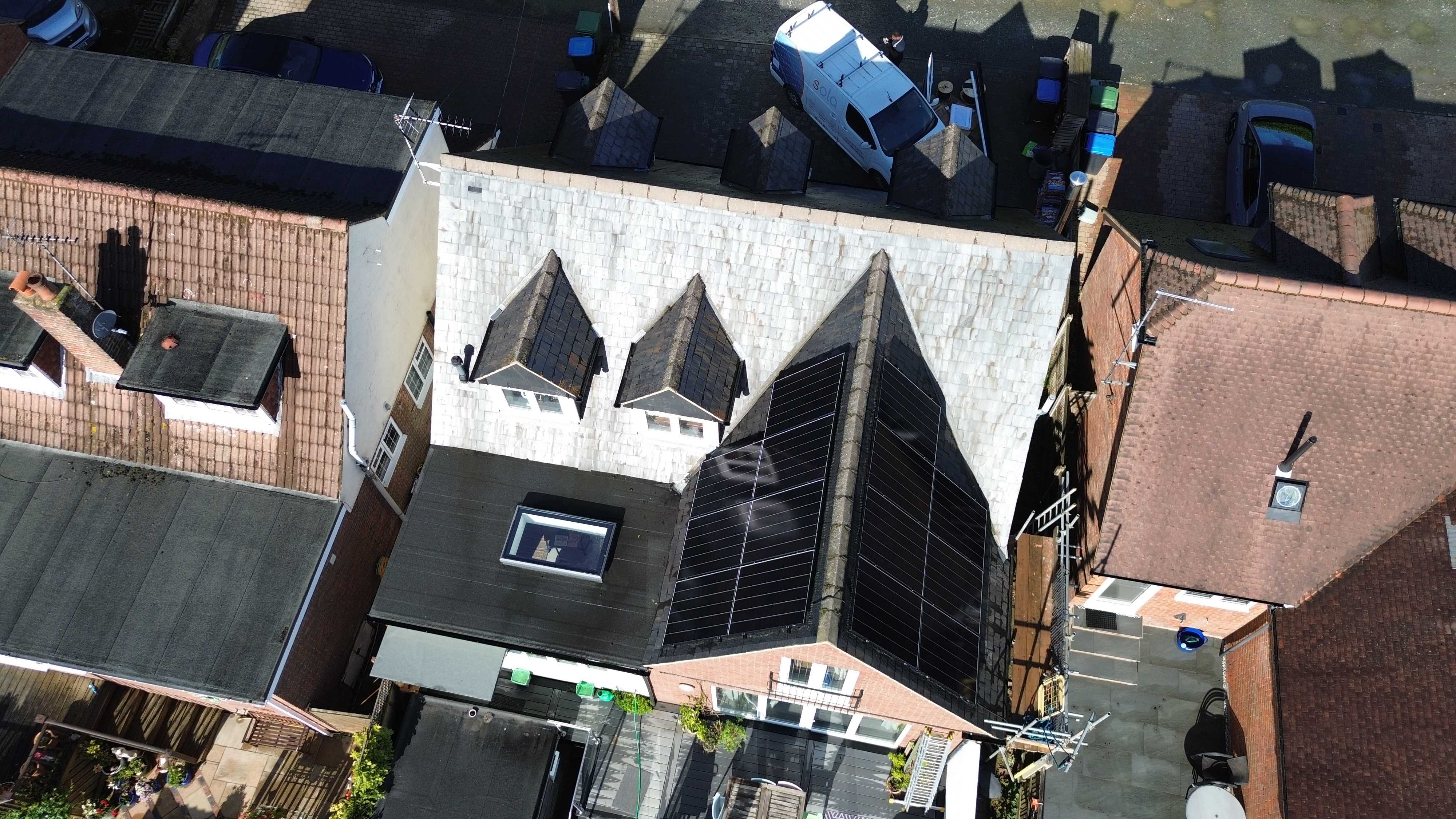
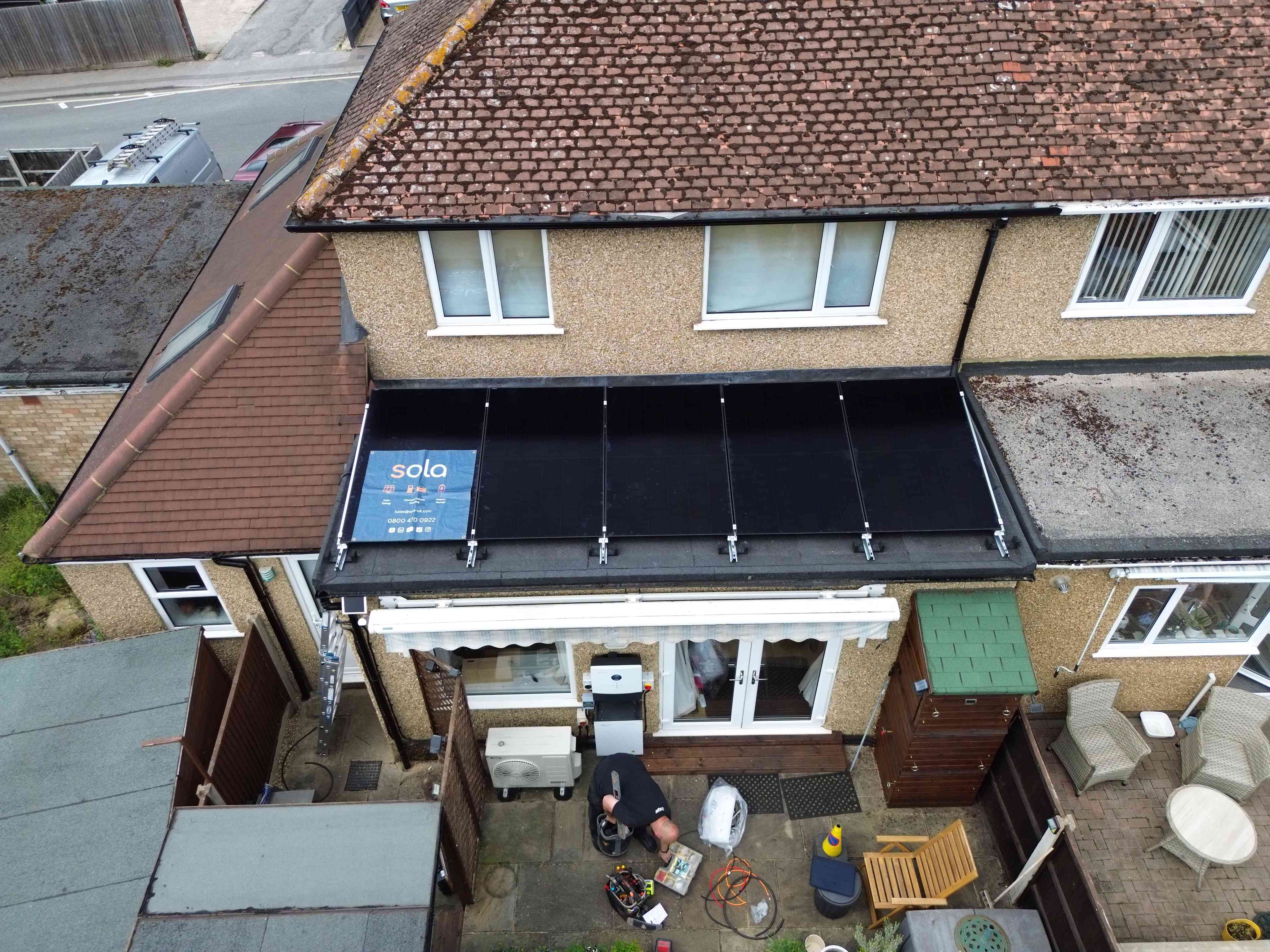
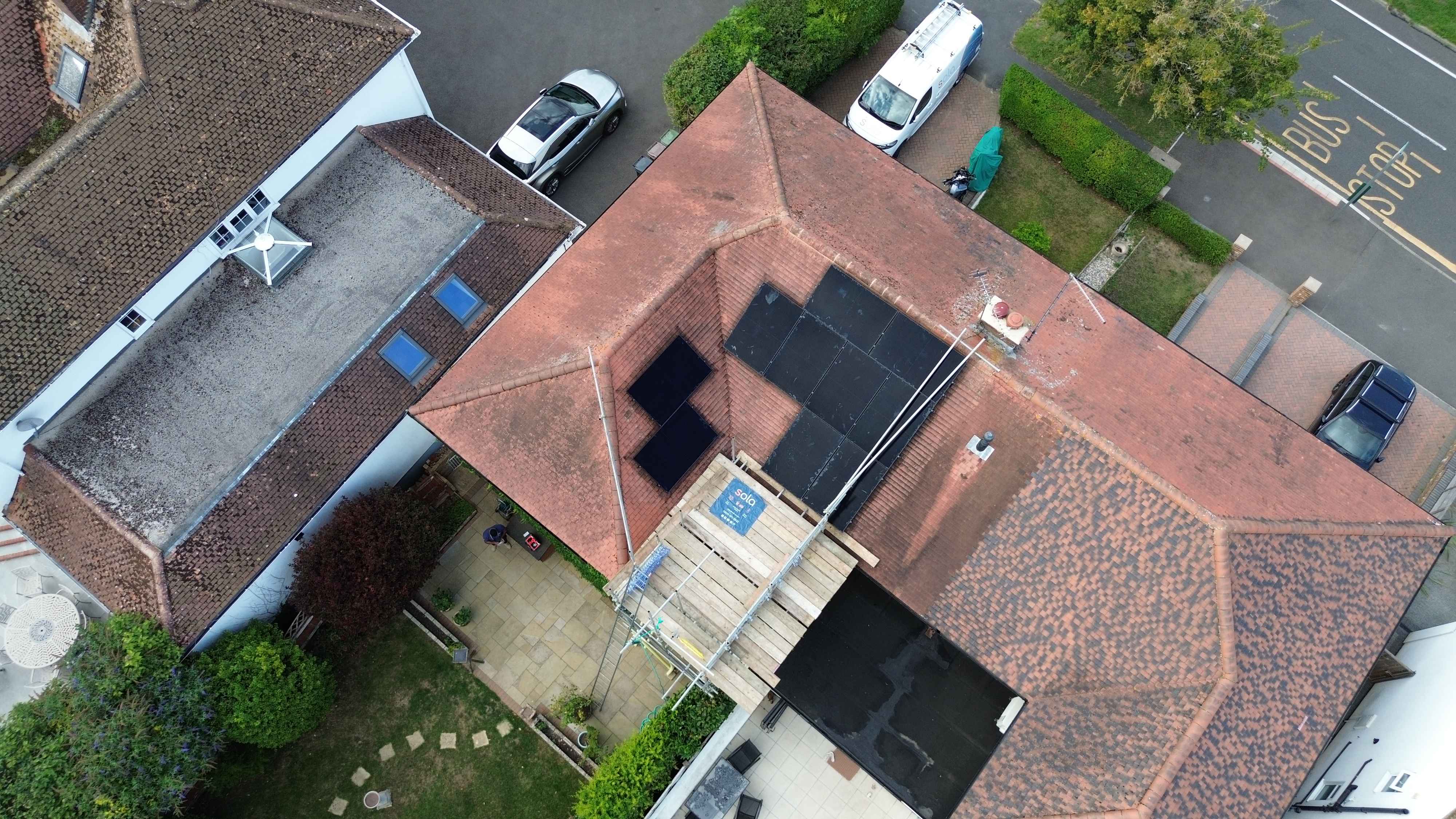
Read that wording carefully, because the common paraphrase is wrong. The restriction attaches to a wall, a balcony or a roof enclosure. A roof slope is not in that list. So a rear-slope array on a Muswell Hill semi, or on a Highgate house outside the Article 4 areas, is frequently still permitted development.
Two other parts of the same paragraph are worth knowing:
- Wall-mounted equipment may project up to 0.4 metres beyond the plane of the wall under A.1(2)(a), dropping to 0.2 metres where the wall abuts a highway. The same limits apply to balcony and roof enclosures under A.1(2)(b).
- Listed buildings changed. Under A.1(2)(g) a listed dwellinghouse is now outside Class A altogether, and under A.1(1)(e) so is a listed block of flats. That means planning permission as well as listed building consent, whichever slope you are proposing. Before the amendment the permitted development route could apply and only consent was needed, so this is the point most published advice has not caught up with.
There is a transitional provision, and it is narrower than "use whichever rules suit you". Article 6(2) of the amending Order allows previously permitted development to be carried out until the end of 26 August 2027. It preserves a permission that genuinely existed before 27 August 2026 and that the amendments then removed. It does nothing for a scheme that never qualified under the old wording.
The Highgate complication
Highgate's conservation area straddles the Camden and Haringey boundary. That makes the first question on a Highgate roof not "what are the rules" but "whose rules" — because the conservation-area and Article 4 position follows the borough the property sits in, and checking the wrong borough's map produces a confident wrong answer.
Worth noting on the Camden side: Camden has publicly consulted on removing Article 4 solar restrictions so that residents could fit panels anywhere on a roof without planning permission, as part of its climate targets. The Highgate Society, for its part, states that no Article 4 directions are in force in the Highgate conservation area and has campaigned for both councils to create some. The position is live rather than settled, which is another reason to check the current map rather than a guide.
Where an Article 4 direction does apply
Read the direction itself. This is the part most often skipped. An Article 4 direction removes only the permitted development rights it specifically names — it is not a general switch-off. Haringey presents its conservation-area directions as managing gradual change, with window and door alterations as the worked example, so whether solar is caught depends on the wording of the individual direction.
This is not a theoretical caution. A recent Kensington and Chelsea committee report found that one of that borough's Article 4 directions did not expressly remove solar rights at all. Elsewhere in North London the position is genuinely tighter: Hampstead Garden Suburb carries an Article 4 direction and the Trust's own consent regime on top of it, which makes it two separate consents rather than one, and Barnet lists roughly 48 conservation areas with a considerably wider Article 4 net than Haringey's.
The practical sequence
1. Establish which borough your address is in. For Highgate, do this first.
2. Check the address on that borough's Article 4 map.
3. If a direction applies, read it and find out whether solar is actually named.
4. If none applies, work to A.1(2)(e): the roof slope is generally available, the highway-fronting wall, balcony or roof enclosure is not.
5. If the building is listed, plan for planning permission and listed building consent from the start.
For a full area-by-area breakdown of which North London conservation areas restrict solar and which do not, see our page on solar panel installation in North London. We check the address against the relevant borough's map before anyone designs a layout.