
Rural Solar Installations: Hertfordshire and the Wessex Comparison
Rural solar installations differ from urban — what Hertfordshire and Wessex rural homeowners both need to consider.
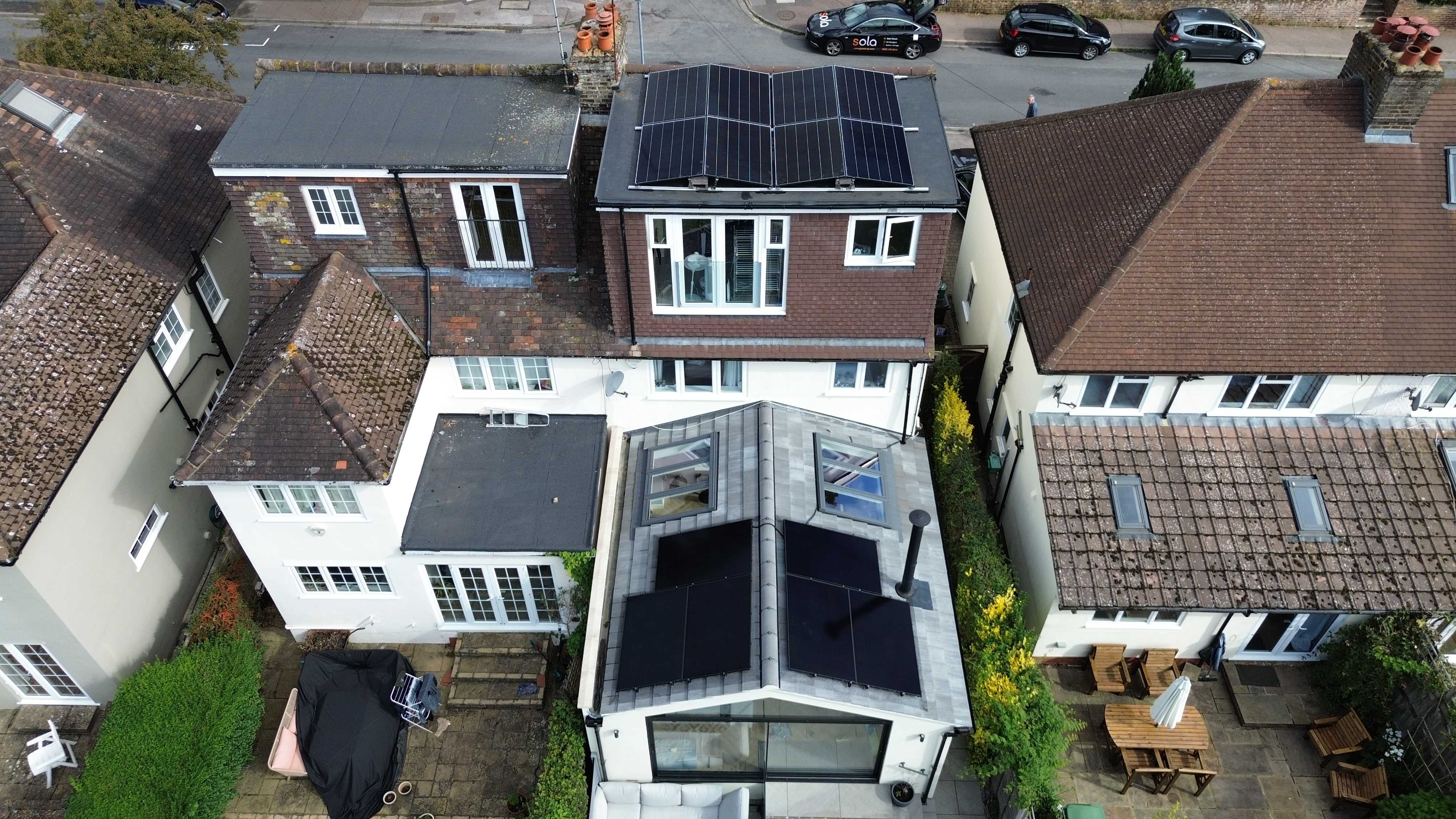
Rural Solar Installations: Hertfordshire and the Wessex Comparison
Rural solar installations have very different design considerations from urban residential installs. For Hertfordshire homeowners with rural properties — and for Wessex homeowners benchmarking against South East pricing — understanding the regional similarities and differences helps.
What's Different About Rural Solar
Three categorical differences from urban installations:
1. Roof types — barns, agricultural buildings, large detached farmhouses with complex roofs
2. Grid connection — rural sites often have constrained DNO capacity
3. Ground-mount options — usable land for ground-mounted arrays where roof unsuitable
For a Wessex-specific perspective on rural installations, Lumos Energy's 2026 Wessex rural solar guide covers the regional dynamics in detail.
Rural Hertfordshire Pricing
| System | Application | Installed Cost |
| 6kW residential | Rural farmhouse | £9,000-£10,800 |
| 10kW residential | Large detached | £12,800-£15,200 |
| 30kW agricultural | Barn / farm building | £36,000-£44,000 |
| 50kW commercial | Farm-scale | £60,000-£72,000 |
Hertfordshire rural installations run roughly in line with urban pricing, with slightly higher cable runs and access costs offset by simpler scaffolding requirements.
Ground-Mounted vs Roof-Mounted
Ground-mounted solar makes sense when:
- Roof is structurally unsuitable or wrong aspect
- Listed building restrictions apply to roof-mount
- Available land is otherwise unproductive
- System size exceeds reasonable roof capacity
Ground-mount installations typically run 10-15% more per kWp than roof-mounted equivalents.
Grid Connection
Rural Hertfordshire properties have generally good grid access through UK Power Networks. Connection timelines for typical rural installations:
- G98 (below 16A per phase): Notification only, fast
- G99 (above 16A per phase): 8-16 weeks
- G99 with reinforcement: 16-32 weeks for constrained sites
For larger installations on genuinely constrained networks, export limitation can reduce connection complexity significantly.
Working Farms and Agricultural Sites
Working farms have particularly strong solar economics due to:
- High daytime electricity loads (water pumps, refrigeration, milking)
- Capital allowances for commercial installations
- Sustainable Farming Incentive eligibility
- Roof aspect of barns often south-facing
A 50kW farm-scale solar array on a working agricultural site typically achieves payback in 4-6 years.
Long-Term O&M
Rural installations have specific O&M considerations:
- Bird and pest management
- Vegetation management for ground-mount
- Cable management — longer rural cable runs
- Inverter ventilation in barn installations
- Wildlife exclusion
Annual O&M costs typically run £8-£15 per installed kWp.
Listed Buildings and Conservation Areas
Hertfordshire has substantial listed building stock and conservation area coverage in rural areas. Standard rules:
- Listed Buildings require Listed Building Consent
- Conservation areas require planning for visible installs
- Approval rates typically 70-85% with appropriate design
Most rural installations proceed under Permitted Development without significant planning issues.
Practical Takeaway
For Hertfordshire rural property owners — farms, barns, large detached homes — solar economics are strong with appropriate sizing. Get in touch for a rural-specific assessment.
Related Topics
Related Articles
Solar Panel Installation St Albans: Complete Guide
Read
Solar Panel Installation Watford: Complete Guide
ReadSolar Panel Installation Hemel Hempstead: Full Guide
Read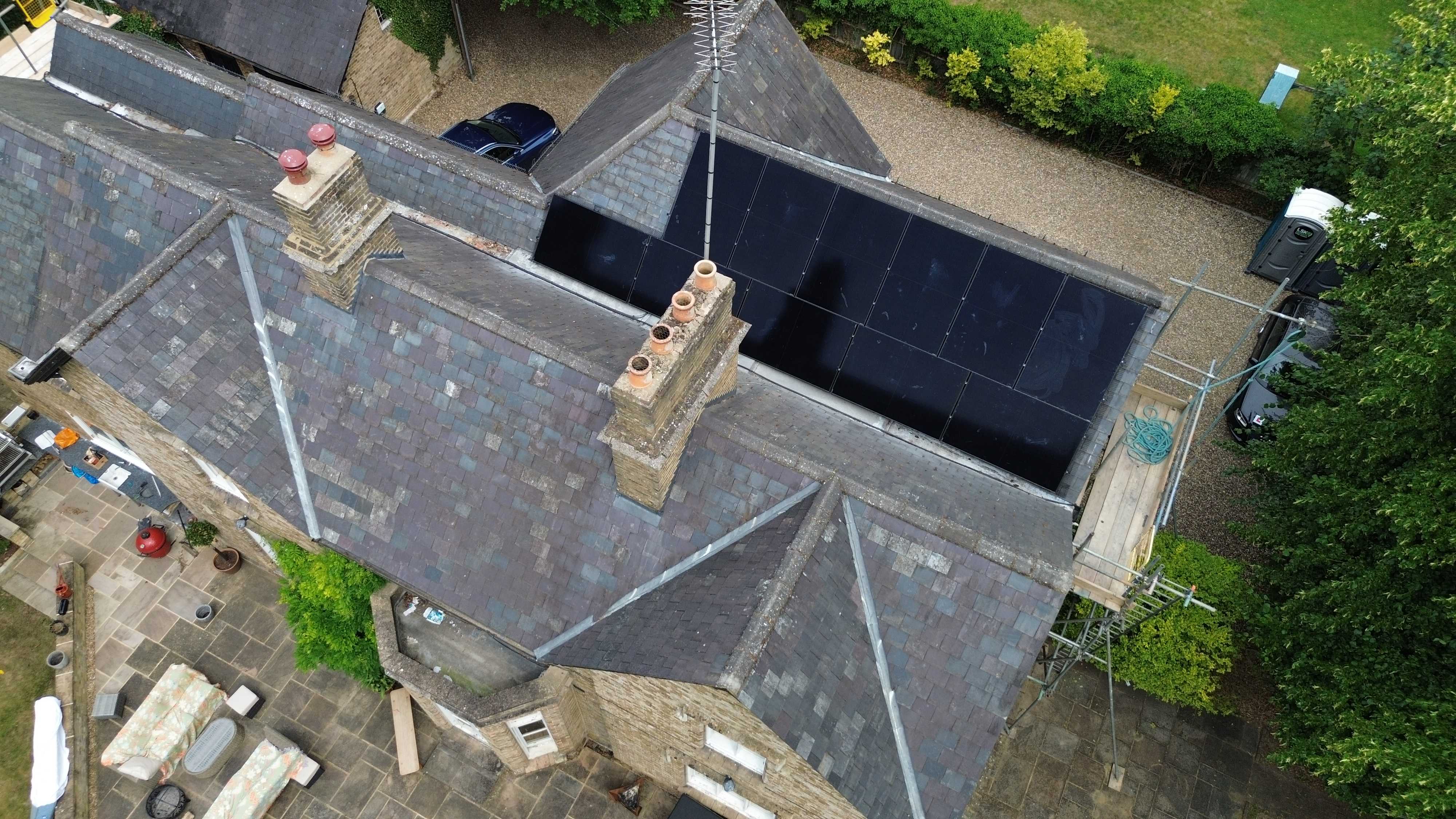
How Much Do Solar Panels Cost in Hertfordshire? (2026)
ReadAre Solar Panels Worth It in 2026? Real Data from 50 UK Homes
Read