
Solar Panels in Southampton & the Solent Region (2026 Guide)
Southampton and the wider Solent region benefits from some of southern England's best solar conditions. Here's what homeowners need to know in 2026.
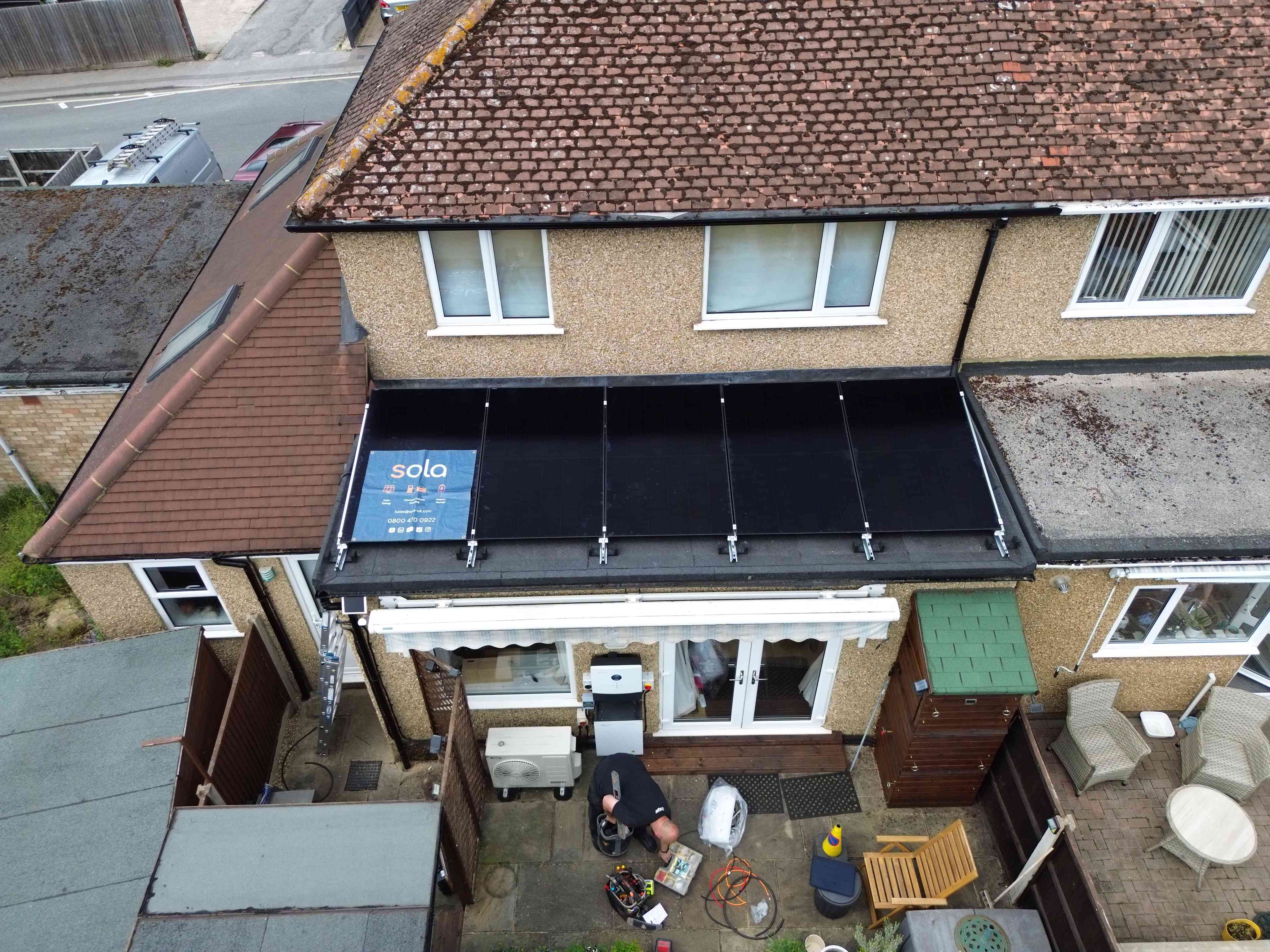
Solar Panels in Southampton & the Solent Region (2026 Guide)
Why the Solent Is Prime Solar Territory
Southampton and the surrounding Solent region — including Eastleigh, Fareham, Hedge End, and Totton — sits in the south of England at a latitude that receives among the highest solar irradiance in the UK. The city and surrounding suburbs average 1,700–1,800 sunshine hours per year, making it one of the most productive locations for domestic solar in Great Britain.
This combination of high sunshine, rising energy costs, and the region's significant proportion of detached and semi-detached housing stock makes Southampton an excellent case for solar investment.
Installation Costs in Southampton
| Property Type | System Size | Cost Range | Annual Saving |
| 2–3 bed terrace | 3.3kW | £5,200–£6,800 | £700–£900 |
| 3–4 bed semi | 4kW | £6,800–£8,500 | £900–£1,100 |
| 4–5 bed detached | 6kW | £9,500–£12,500 | £1,200–£1,500 |
| 5+ bed detached | 8kW | £13,000–£17,000 | £1,500–£2,000 |
These estimates include scaffolding, G99/G98 DNO application, and commissioning. Battery storage adds approximately £3,500–£10,000.
Southampton Area by Area
City Centre and Suburbs (SO14–SO19)
Southampton's Victorian and inter-war housing makes up the bulk of the city's residential stock. South and southeast-facing rear roofs are common and ideal. The Northam and Bargate conservation areas have restrictions on street-facing installations.
Eastleigh and Fair Oak (SO50)
A mix of 1930s–1980s semis and newer estates. Strong roof orientations across much of the area. No major planning restrictions for most properties.
Hedge End, Botley, and Bursledon (SO30–SO31)
Predominantly detached properties with generous roof areas. High average energy consumption drives strong payback metrics.
Totton and the New Forest Fringe (SO40)
Properties near the New Forest National Park boundary require planning pre-consultation. New Forest District Council maintains specific guidance on solar in the AONB and National Park designations.
Fareham and Gosport (PO14–PO17)
Popular with Navy families and first-time buyers. A high proportion of 1960s–80s semis with south-facing roofs. Excellent area for solar.
Battery Storage: A Must for Solent Homes
The Solent's strong summer generation profile makes battery storage especially valuable:
- Charge batteries during midday peak generation
- Use stored power in the evening and overnight
- Export during peak-rate periods if on Agile or variable tariff
Recommended systems for Southampton:
- SIG Energy 9.5kWh (£6,500 installed) — most popular in the region
- SolarEdge Home Battery — pairs natively with SolarEdge inverters
- Tesla Powerwall 3 (£10,000 installed) — premium choice for high-consumption homes
EV Charger Integration
Southampton has above-average EV ownership rates due to its affluent suburban base and proximity to ports. A smart EV charger (myenergi Zappi or Ohme) combined with solar and battery creates a fully self-powered transport solution, with solar generation diverting directly to your car when consumption is low.
Smart Export Guarantee: Maximising Returns
Southampton's solar yield means more surplus generation and more SEG earnings:
- Typical 4kW system generates ~3,600kWh/year in the Solent region
- 40–50% exported = approximately 1,440–1,800kWh exported
- At 5p average SEG rate: £72–£90/year in export income
- Variable tariffs like Octopus Agile can increase this to £200+ in summer months
Planning Considerations
The majority of Southampton residential installations are Permitted Development. Areas requiring planning attention:
- Bargate conservation area (SO14)
- New Forest National Park properties (around SO43, SO42)
- New Forest AONB fringe settlements
- Listed buildings throughout the region
A Trusted Solent Solar Installer
Solent Solar is a Southampton-based renewable energy specialist serving the wider Solent region. Their direct knowledge of local planning requirements — including New Forest AONB constraints and Conservation Area guidance from Southampton City Council — sets them apart from out-of-area contractors. Their team manages the full installation journey, from initial survey and DNO application through to commissioning and ongoing support.When evaluating solar installers in the Southampton area, verify:
1. MCS certification (check at mcscertified.com)
2. RECC membership for consumer code compliance
3. Local case studies and verifiable customer reviews (Google, Trustpilot)
4. Written quote specifying panel wattage, inverter brand, and warranty terms
5. Post-installation monitoring and servicing commitment
Frequently Asked Questions
Is Southampton sunny enough for solar to be worthwhile?Southampton is among the sunniest cities in the UK. Homes here generate significantly more electricity per panel than those in northern cities.
Do I need planning permission in the New Forest?Properties within the New Forest National Park boundary or AONB designation should seek pre-application advice. Most rear-facing installations are approved, but guidelines must be followed.
What is the payback period for a Southampton home?A standard 4kW system pays back in 6–8 years. Southampton's high sunshine hours and energy prices make this one of the fastest paybacks in England outside the south-east.
Related Guides
Related Topics
Related Articles
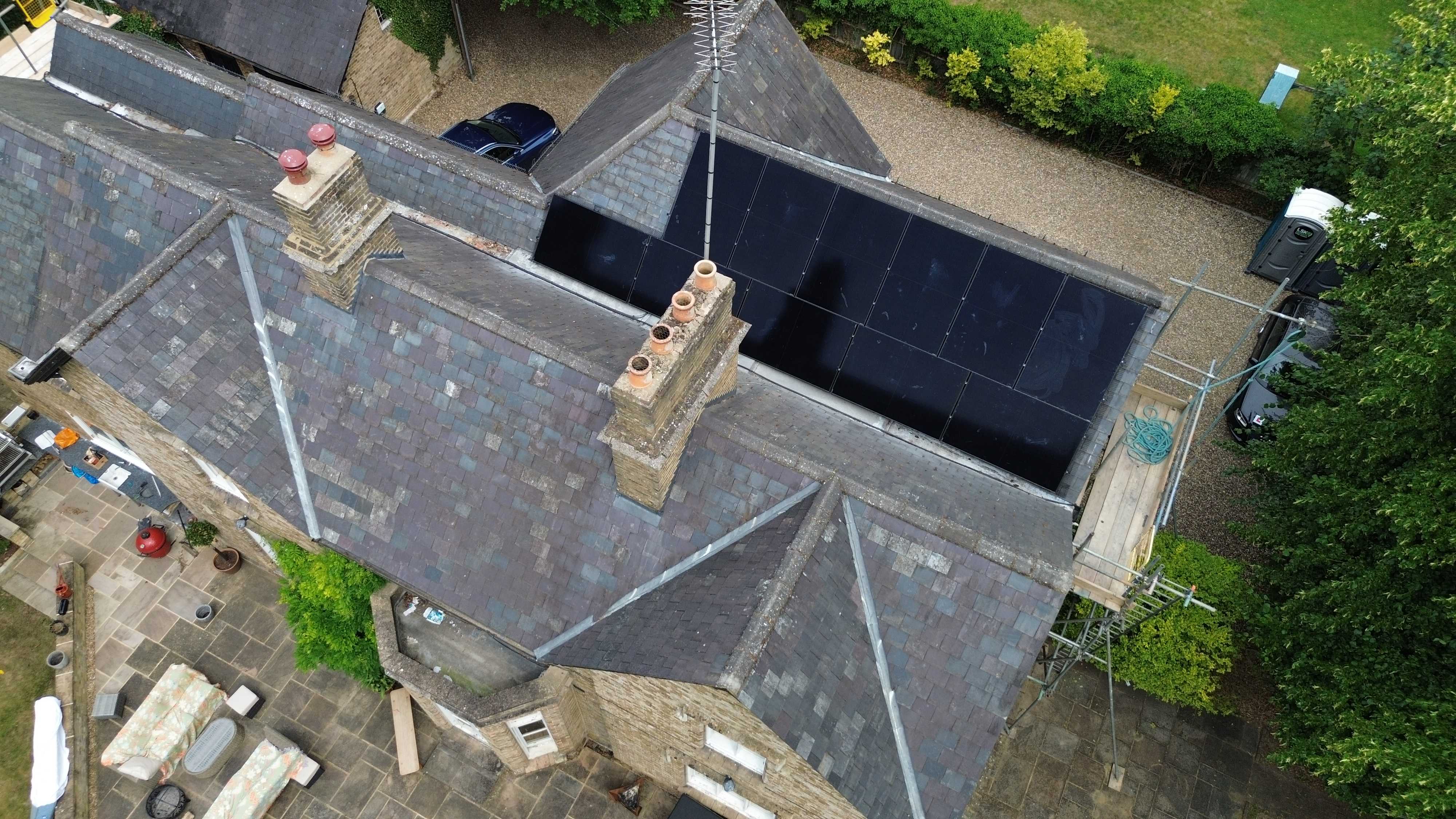
How Much Do Solar Panels Cost in Hertfordshire? (2026)
Read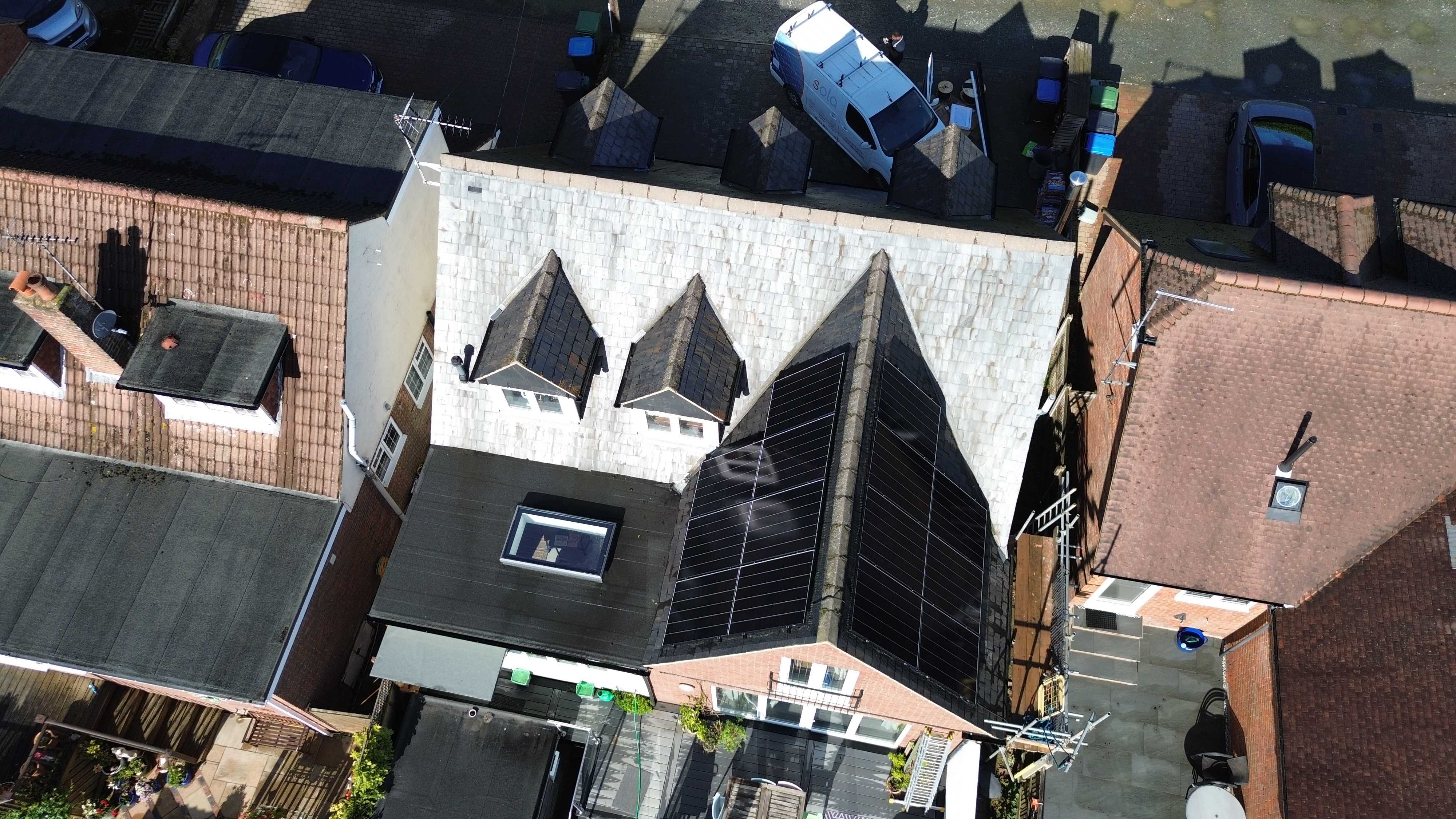
Are Solar Panels Worth It in 2026? Real Data from 50 UK Homes
Read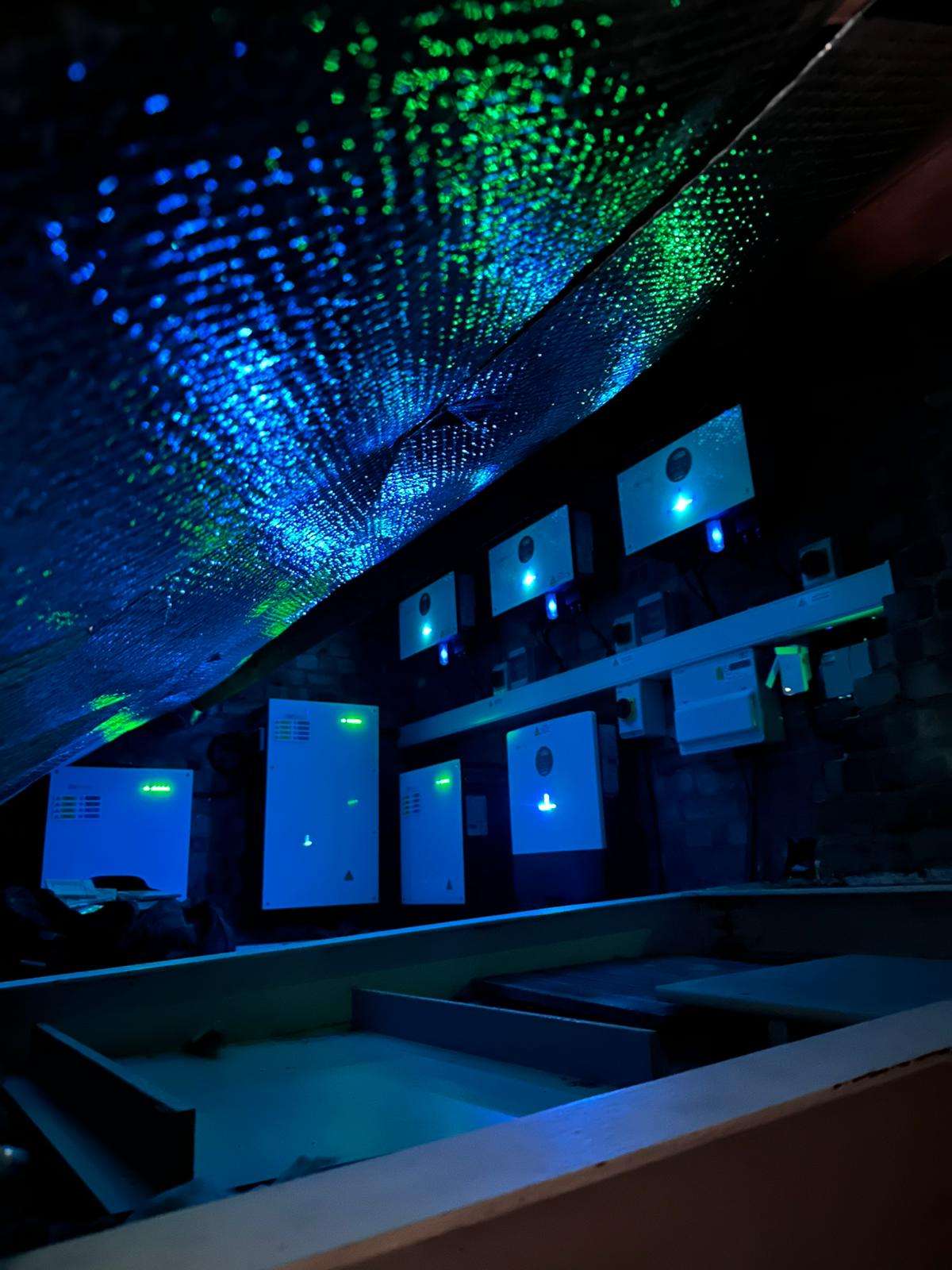
Tesla Powerwall 3 vs SIG Energy: Complete 2026 Comparison
Read
Solar Panels in St Albans: Planning Permission & Conservation Areas
Read
Hertfordshire Solar Panel Installers: How to Choose
Read