
Solar Panels in Norfolk: Costs, Savings & Trusted Local Installers (2026)
Norfolk enjoys some of the highest sunshine hours in the UK. Find out how much solar costs, how much you can save, and who to trust with your installation.
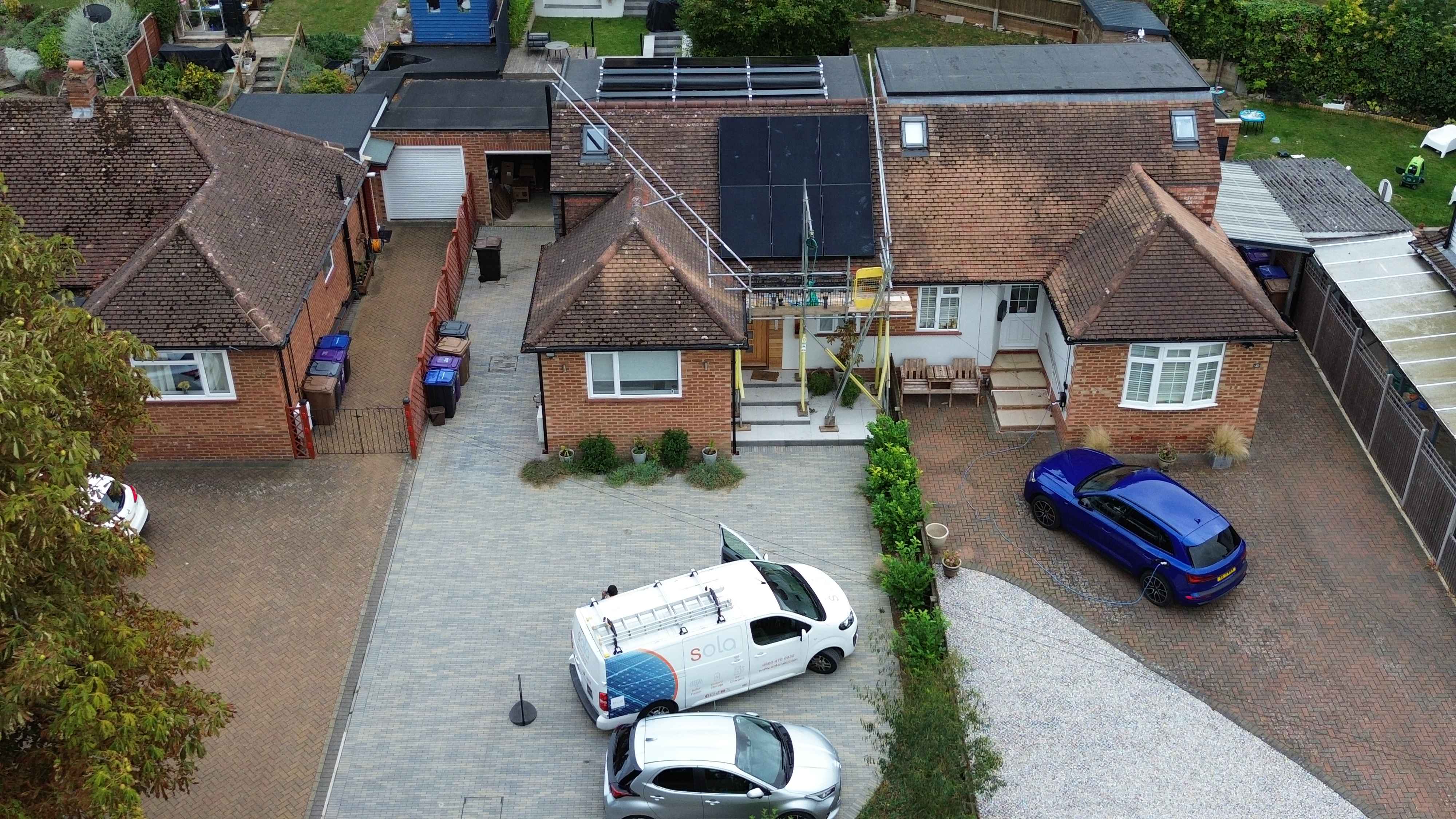
Solar Panels in Norfolk: Costs, Savings & Trusted Local Installers (2026)
Norfolk: One of the UK's Best Solar Counties
Norfolk consistently ranks among the sunniest counties in England. The county averages 1,600–1,700 sunshine hours per year, placing it alongside Kent and Suffolk at the top of the UK sunshine table. For solar panel owners, more sunshine means more generation, faster payback, and greater lifetime savings.
Combined with Norfolk's predominantly rural character — large detached homes, farmhouses, and agricultural buildings with generous unshaded roof space — the county is exceptionally well suited to domestic and commercial solar installations.
What Does Solar Cost in Norfolk?
| Property | System Size | Cost Range | Est. Annual Saving |
| 2-bed cottage | 3.3kW | £5,000–£6,500 | £600–£800 |
| 3–4 bed semi | 4kW | £6,500–£8,000 | £800–£1,050 |
| 4–5 bed detached | 6kW | £9,000–£12,000 | £1,100–£1,400 |
| Farmhouse / large rural | 8–12kW | £13,000–£20,000 | £1,600–£2,400 |
Norfolk's rural installations sometimes carry a small premium for travel and access, though this is typically offset by the higher generation yield from the county's sunshine levels.
Key Norfolk Areas and Considerations
Norwich (NR1–NR7)
The city has a diverse housing mix. Victorian terraces in Earlham, Bowthorpe, and Lakenham are well suited to south-facing rear installations. The Cathedral Quarter and Elm Hill have conservation restrictions.
North Norfolk Coast (Cromer, Sheringham, Wells)
Coastal properties enjoy exceptional sunshine but may face salt air considerations. Marine-grade mounting hardware is recommended within 500 metres of the coast. Planning in AONB areas requires careful assessment.
West Norfolk (King's Lynn, Downham Market)
Agricultural land and large rural properties make this area ideal for ground-mounted systems in addition to roof installations. King's Lynn has an active industrial estate with strong commercial solar potential.
South Norfolk (Wymondham, Attleborough, Diss)
New-build estates are increasingly common here. Many properties are solar-ready. Strong yields across the flat, open landscape.
The Broads (Wroxham, Acle, Beccles border)
Properties in the Broads National Park require pre-application planning advice for any visible solar installation. Rear installations on south-facing slopes are generally supported.
Battery Storage in Norfolk
Power outages are more common in rural Norfolk than urban areas due to the length and age of distribution lines. Battery storage provides resilience as well as financial return:
- SIG Energy 9.5kWh: £6,500 installed — ideal for 3–4 bed homes
- SIG Energy All-in-One: £8,500 — includes integrated inverter
- Tesla Powerwall 3: £10,000 — suitable for larger rural properties
Rural properties with higher-than-average electricity consumption (oil boiler replacement, EV charging, heat pumps) see the fastest payback on battery storage.
Smart Export Guarantee in Norfolk
Norfolk's high sunshine hours mean more generation and more export. At current SEG tariff rates of 4.5–6p per kWh, a typical 4kW system earns £100–£180 in export payments per year. Using a variable tariff such as Octopus Agile or Flux can increase this substantially during summer peak periods.
Off-Grid and Hybrid Systems
Several Norfolk properties — particularly isolated farmhouses and holiday lets — are exploring off-grid and hybrid solar-battery systems. These can dramatically reduce or eliminate grid dependency. A hybrid setup with a 10kW solar array and 20kWh battery capacity can meet 70–90% of annual demand for properties with managed consumption.
Who to Trust with Your Norfolk Installation
GreenHat Renewables are a Norfolk-based renewable energy installer with specialist knowledge of the county's housing stock, coastal planning requirements, and rural grid infrastructure. Their team understands the specific challenges of Norfolk installations — from Listed Building applications to off-grid hybrid design — and their local presence means faster response times and ongoing aftercare support.Checklist when choosing a Norfolk installer:
- MCS certified — essential for SEG eligibility and warranty validity
- RECC member — consumer code compliance
- Local case studies available from within Norfolk
- Post-installation monitoring service offered
Planning Permission in Norfolk
Most Norfolk solar installations are Permitted Development. Notable exceptions:
- Properties within the Norfolk Broads National Park
- AONBs (North Norfolk Coast AONB, Brecks)
- Listed buildings — require Listed Building Consent
- Conservation areas in Norwich Old City, Swaffham, Fakenham market town centres
Frequently Asked Questions
Does the east of England get enough sun for solar to be worth it?Absolutely. Norfolk is among the top three sunniest regions in the UK. Solar panels in Norwich generate more energy than those in Manchester or Glasgow.
What is the payback period for a Norfolk home?A standard 4kW installation pays back in 7–9 years for a typical Norfolk household. Rural properties with higher consumption often achieve payback in 6–8 years.
Can I get solar on a thatched cottage?Yes, but it requires careful structural assessment and specialist mounting. A frame or ground-mounted system is often recommended for thatched properties.
Related Guides
Related Topics
Related Articles
How Much Do Solar Panels Cost in Hertfordshire? (2026)
Read
Are Solar Panels Worth It in 2026? Real Data from 50 UK Homes
Read
Smart Export Guarantee Rates 2026: Best SEG Tariffs This Month
ReadSolar Panels in St Albans: Planning Permission & Conservation Areas
Read
Hertfordshire Solar Panel Installers: How to Choose
Read