
Combined-Trade Renewable Installers: Why It Matters in Hertfordshire
The combined-trade installer model — solar, battery, EV and heat pump under one roof — is becoming dominant in 2026. Here's why it matters.
Combined-Trade Renewable Installers: Why It Matters in Hertfordshire
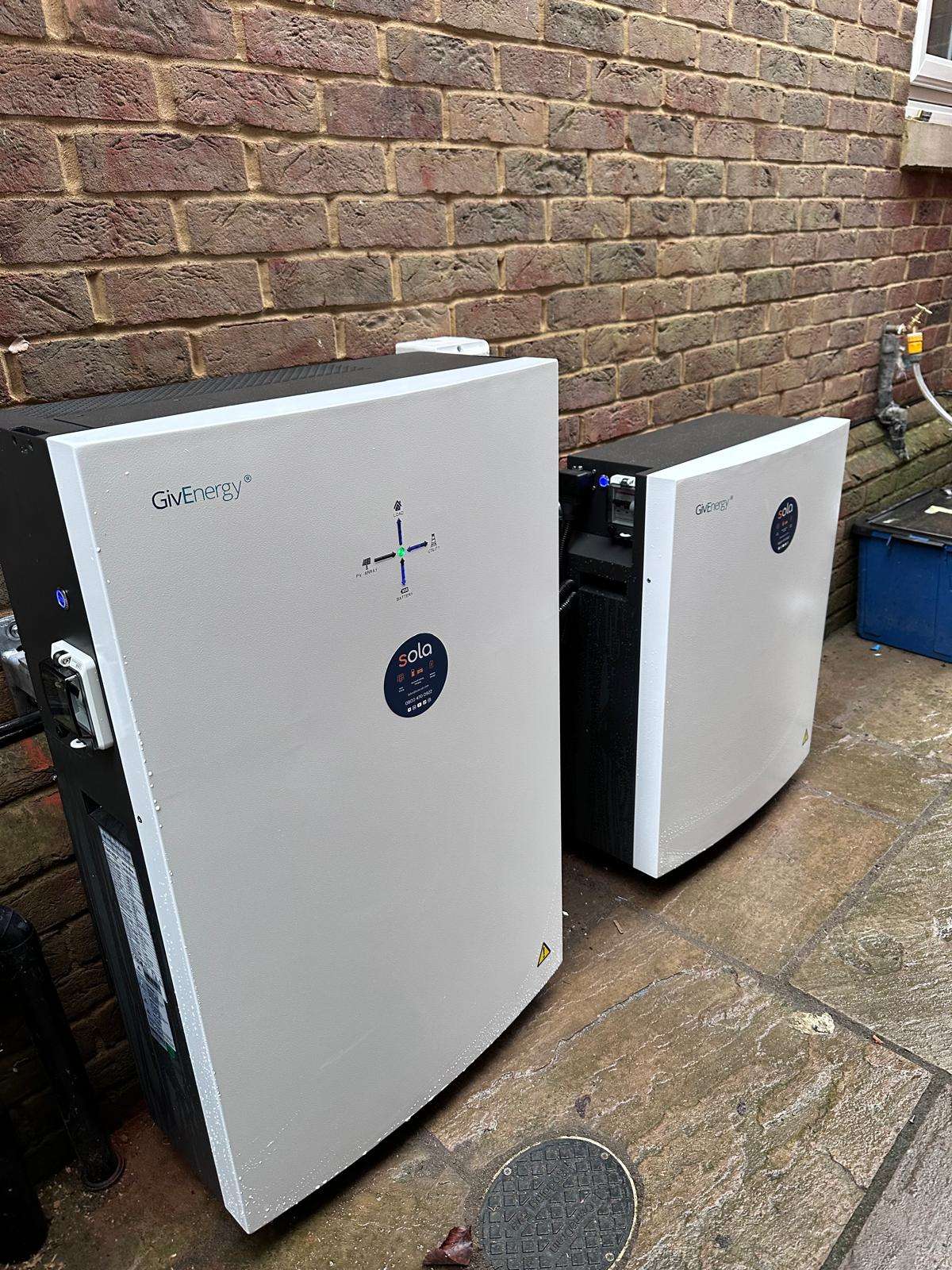
The "combined-trade" installer model — delivering solar, battery storage, EV chargers and heat pumps under one roof — has become the dominant pattern for whole-home renewables in 2026. For Hertfordshire homeowners, the choice between combined-trade and single-trade installers materially affects installation quality, coordination and cost.
Why Combined-Trade Matters
Modern home renewable systems require multiple specialised competencies:
- Solar PV design (MCS certification)
- DC/AC electrical work
- Battery integration
- DNO notification
- Smart inverter configuration
- EV charger installation
- Consumer unit upgrades
- Earthing and bonding
A pure-play solar installer typically subcontracts the electrical work. A pure-play electrician typically subcontracts the MCS certification. Both arrangements introduce coordination friction.
For a Doncaster-specific perspective on the combined-trade model, AMP Pro Electrical's 2026 analysis of combined-trade installations covers the operational specifics in depth.
Practical Advantages
For Hertfordshire homeowners considering full-home renewables:
1. Single point of accountability — one company responsible for the full system
2. Coordinated install scheduling — all trades aligned in one project plan
3. Integrated commissioning — system-wide testing rather than disaggregated
4. Single warranty — covering full installation
5. Lower total project cost — typically 5-10% below disaggregated quotes
6. Better long-term support — single number for any issue
Hertfordshire Pricing
| Product | Combined-Trade | Disaggregated |
| 5kW solar + 10kWh battery | £14,000-£16,500 | £15,500-£18,000 |
| 5kW solar + battery + EV charger | £15,500-£18,000 | £17,500-£20,500 |
| Full retrofit (solar + battery + EV + ASHP) | £24,000-£32,000 | £28,000-£36,000 |
The combined-trade premium versus disaggregated runs around 8-15% depending on project scope.
What to Verify
Before signing any combined-trade contract:
- MCS certification for solar and any heat pump work
- NICEIC or NAPIT electrical accreditation
- OZEV authorisation for EV charger grants
- HIES or RECC consumer code membership
- Public liability insurance £5m+
- Insurance-backed workmanship warranty
Common Pitfalls
Be wary of installers who claim combined-trade capability but visibly subcontract major elements. Signs of subcontracting:
- Different vans on different days
- Different uniforms across the project
- No single project manager
- Multiple separate invoices
- Disjointed commissioning
Genuine combined-trade installers operate with consistent in-house teams across the full project.
Practical Next Steps
For Hertfordshire homeowners considering integrated solar-battery-EV systems, the combined-trade model produces better outcomes than disaggregated quotes. Get in touch for a free integrated system assessment.
Related Topics
Related Articles
How Much Do Solar Panels Cost in Hertfordshire? (2026)
Read
Are Solar Panels Worth It in 2026? Real Data from 50 UK Homes
Read
Tesla Powerwall 3 vs SIG Energy: Complete 2026 Comparison
Read
Solar Panels and Heat Pumps: The Perfect Combination
Read
EV Charging with Solar Panels: Complete Guide
Read